When someone you love is having trouble breathing, the terminology can feel overwhelming. You may hear terms like oxygen therapy, ventilator support, or oxygenation versus ventilation and wonder what they actually mean for care and recovery. While both approaches help support breathing, they serve different purposes and are used in different situations. This guide breaks it down in a clear way, so you can better understand what’s happening and what to expect.
Understanding the Basics: Oxygenation vs Ventilation
At the most basic level, breathing has two key functions.
- Oxygenation refers to getting enough oxygen into the bloodstream through the lungs
- Ventilation refers to removing carbon dioxide from the body by moving air in and out of the lungs, a process that also supports oxygenation
Oxygen therapy focuses on improving oxygenation, while ventilator support helps with ventilation or both processes when the body cannot do it effectively on its own.
According to clinical research, both processes are essential for maintaining healthy organ function and preventing complications during illness or injury. ¹
What Is Oxygen Therapy?
Oxygen therapy is used when a person can still breathe on their own but needs help maintaining healthy oxygen levels in the blood. It delivers extra oxygen to support the body during illness, recovery, or chronic conditions.
Common Uses
Oxygen therapy is often recommended for:
- Chronic lung diseases such as COPD or pulmonary fibrosis
- Pneumonia or respiratory infections
- Heart conditions that affect blood flow and oxygen delivery
- Recovery after surgery or hospitalization
- Certain less common medical conditions that affect breathing or oxygen levels
How It’s Delivered
Oxygen is provided through simple, non-invasive devices like:
- A nasal cannula
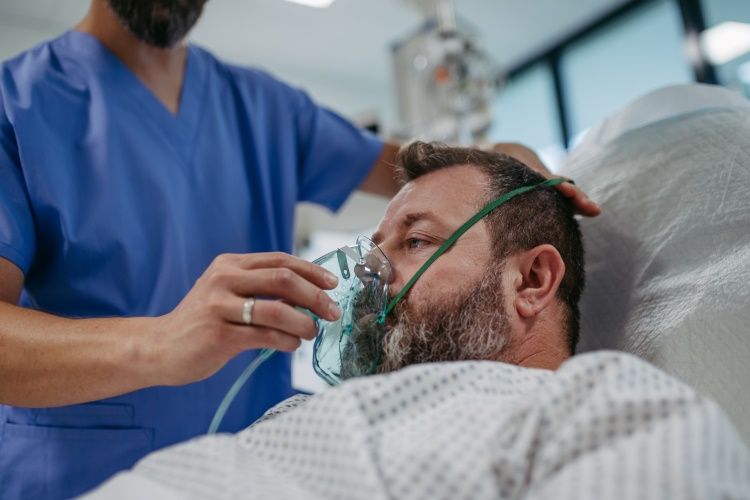
- A face mask for higher oxygen needs
- Portable systems such as oxygen concentrators
What to Expect
Most people using oxygen therapy remain alert and independent. Oxygen levels are monitored, and a respiratory therapist may adjust flow as needed. It can be used short term during recovery, or long term for ongoing conditions.
What Is Ventilator Support?
Ventilator support is used when a person cannot breathe effectively on their own. A mechanical ventilator helps move air in and out of the lungs, supporting both oxygen intake and carbon dioxide removal when the body is struggling to do so.
When It’s Needed
Ventilator support is typically used in more serious situations, including:
- Severe respiratory failure
- Acute infections like pneumonia or COVID-19
- Neurological conditions that affect breathing
- Trauma or after major surgery
- Certain cardiac, pulmonary, or neurological conditions that temporarily impair breathing
How It Works
A ventilator delivers air into the lungs using positive pressure. Depending on the situation, this may involve:
- Non-invasive support through a mask
- Invasive support using a breathing tube in a monitored setting
Some individuals may later transition to a portable ventilator as part of ongoing care.
Key Differences Between Oxygen Therapy and Ventilator Support
1. Level of Support
Oxygen therapy enhances breathing by increasing the amount of oxygen a person inhales, while ventilator support provides partial or full breathing assistance when the body cannot keep up on its own.
2. Invasiveness
Oxygen therapy is non-invasive and typically delivered through devices like a nasal cannula or mask. Ventilator support can be non-invasive in some cases, but often involves more advanced or invasive methods in critical care settings.
3. Function
Oxygen therapy focuses on improving oxygenation. Ventilator support addresses both oxygenation and ventilation by helping move air in and out of the lungs and removing carbon dioxide.
4. Monitoring and Setting
Ventilator support requires continuous monitoring of oxygen saturation, heart rate, blood pressure, and respiratory function and is most often provided in a hospital or specialized care environment. Depending on the patient's condition, pulmonologists, intensivists, respiratory therapists, and other specialists may oversee care and adjust treatment as needed.
How Care Teams Decide What’s Needed
Doctors and care teams evaluate several factors when choosing between oxygen therapy and ventilator support:
- Oxygen saturation and levels of oxygen in the blood
- Ability to breathe independently
- Presence of underlying lung diseases
- Signs of fatigue or respiratory distress
- Changes in heart rate or blood pressure
In many cases, oxygen therapy is the first step. If a patient’s condition worsens and they cannot maintain proper oxygenation or ventilation, ventilator support may be introduced.
The Role of Rehabilitation and Recovery
For many patients, breathing support is part of a larger recovery journey.
With oxygen therapy, patients often:
- Regain strength through pulmonary rehabilitation
- Improve endurance and independence
- Learn to manage equipment at home
With ventilator support, recovery may include:
- Gradual weaning from the mechanical ventilator
- Respiratory therapy to rebuild lung function
- Close monitoring in a skilled nursing or rehab setting
Structured respiratory care can improve outcomes and help patients transition off ventilator support safely. ¹
Emotional Considerations for Families
Seeing a loved one need breathing support can be difficult and often brings uncertainty. Oxygen therapy may allow for more independence, while ventilator support is typically used to stabilize more serious conditions and is often temporary. Staying in close communication with the care team can help you better understand progress and what to expect next.
Final Thoughts
When comparing oxygen therapy vs ventilator support, the key difference comes down to how much help a person needs to breathe. Oxygen therapy provides supplemental oxygen to support the body, while ventilator support steps in when the body cannot manage breathing on its own.
Understanding this distinction can make medical conversations clearer and help you feel more confident in care decisions. Whether the need is short-term or ongoing, both approaches are designed to support healing, comfort, and improved quality of life.
Get in Touch
Learn more about how VitalAir at Woodbine supports personalized care for patients in Alexandria, VA. Contact us today to schedule a tour or speak with a member of our care team.